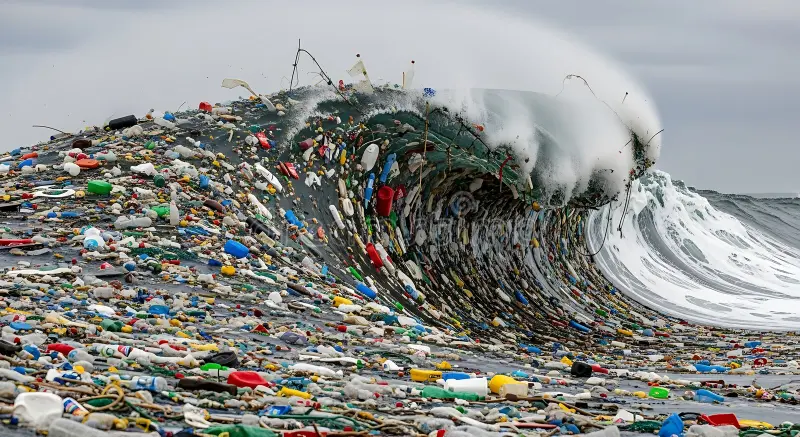
“Why We Vote With Our Dollars: The Psychology of Ethical Consumerism”
With every swipe, every receipt, every purchase, we are leaving a trace–an unmistakable record of what we value, why, because how you use your money reflects your vote on ethical consumerism. In an era of loud greenwashing, the simple act of choosing one brand over another has a rippling environmental impact, revealing to brands, consumers, and even psychologists what you value. Ethical consumerism cannot be only about buying “better”; it has to be about the things we value and the impact we want to leave behind.
For over fifty years, the world has discussed what it means to “go green” and be an “ethical consumer,” but what if it wasn’t just about the idea, what if it was actually tied to a stronger psychological effect? A recent study showed that greenwashing has proven misleading and overstated ecological claims, amplifying “green” features, deceiving consumers, and largely operating from a place of falsehood. Overarchingly, it “undermines the credibility of any corporate social responsibility effort” (Gräuler & Teauteberg 2014). Studies have further shown that “negative perceptions about greenwashing might impair consumers’ attitudes towards a company that communicates green marketing claims (Peattie et al. 2009).
Skepticism towards environmental marketing claims is negatively related to the intuition to buy or not buy green products marketed by a specific company or brand. In fact, many consumers view green claims as a marketing strategy, and therefore do not trust them (Lyon and Maxwell 2011). Harvard’s Business Review shared that a study completed by the Journal of Consumer Psychology, “Are Two Reasons Better Than One?,” researchers found that “combining external incentives (“save money”) with intrinsic motives (“save the environment”) resulted in less preference for a sustainable product than did intrinsic appeals alone,” further proving that our extrinsic and intrinsic motivations in the psychological understanding of our consumerism further points us towards doing the thing that has what would be perceived as instant gratification outcomes (i.e. save money).
But why does all of this research matter to me, one small person on a very big planet? What difference do I make, and how can I tell the difference between greenwashing and ethical consumerism? Great question. It matters because if every single person believed their purchases proved what it means to be voting for or against a greener earth, the pattern would have a domino effect, leading to clarity of purchasing and ultimately debunking overconsumption as a whole. Furthermore, it is your commitment to understanding why we overconsume as a people and to becoming ethical consumers.
How to become a mindful consumer
- When choosing an eco-friendly brand to buy from, look for third-party certifications.
- Ensure the company’s sustainability practices are transparent.
- Avoid brands that use buzzwords like “green” or “natural” without supporting them with evidence.
- Check for full supply chain transparency.
- Ultimately, consider the company’s long-term commitment to sustainable practices.
“the quiet advantage of mindful consumption”