Why People Are Leaving Traditional Gyms for Home Fitness
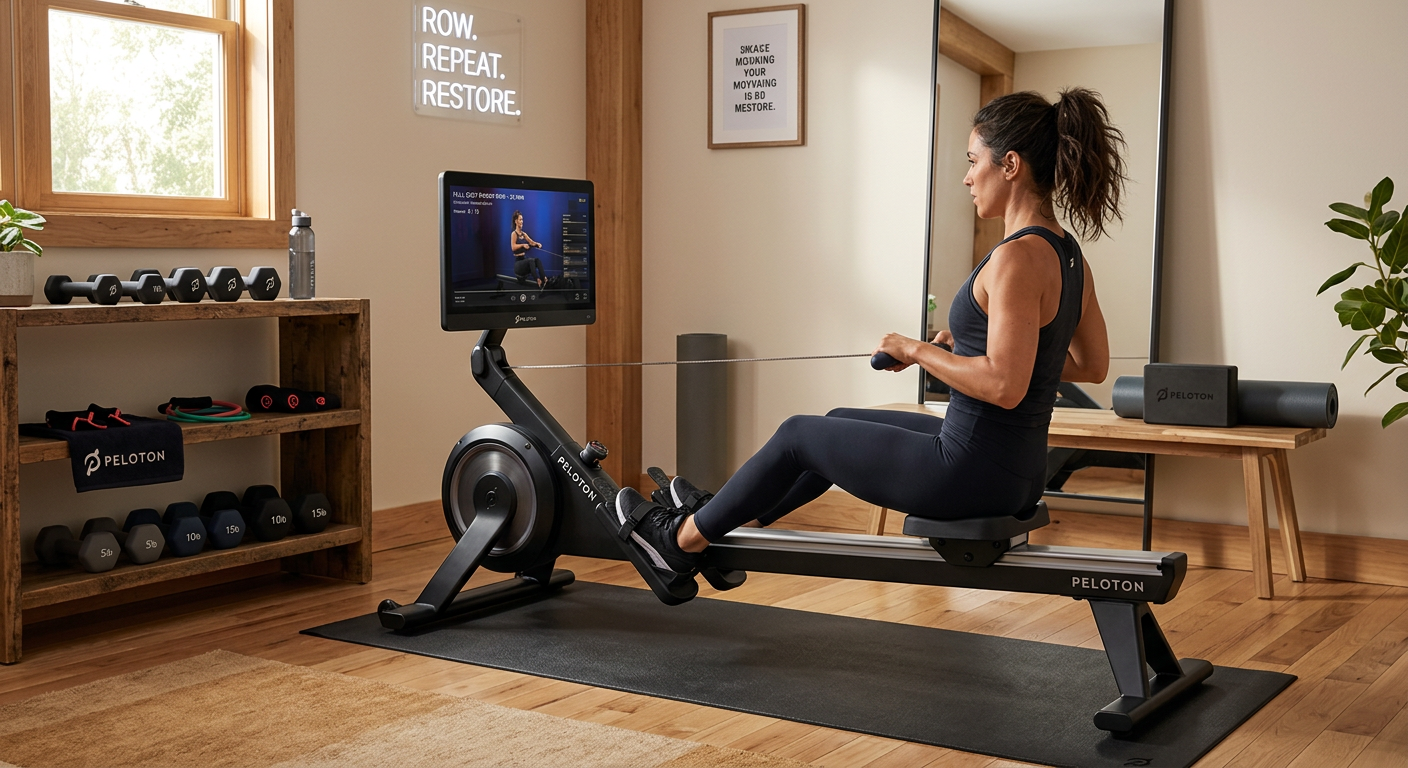
Since the onset of the COVID-19 pandemic, which forced millions worldwide to stay home, the home fitness industry has grown significantly. From home gyms to connected fitness equipment and fitness-focused social media, the boom has sparked a variety of communities drawn towards this rapidly expanding market. This rise in home fitness reflects not only the pandemic, but also a broader shift in consumer priorities toward convenience, flexibility, technological integration, and personalized workout experiences. As connected fitness platforms and professional-grade home equipment become more accessible, consumers increasingly value exercising at home over maintaining memberships at traditional gyms. For many of these consumers, the upfront cost of this equipment or converting a space into an “at-home” gym structure far outweighs the monthly/yearly costs of gym memberships.
Convenience and Flexibility
Convenience appears to be the “key term” of the 2020s. Just six and a half years into the decade, consumers, advertisers, and organizations worldwide are focused on capitalizing on convenience. In the US alone, over the first 19 years of the 2000s, gym memberships nearly doubled from 32.8 million in 2000 to 64.2 million in 2019, making 21.2% of American households gym members. Within the first two decades of the 2000s, consumers became increasingly interested in the accessibility, opportunity, and flexibility of attending gyms on their own schedules. This boom took a massive dip (58%) at the beginning of COVID-19, as consumers were required to stay home and lost access to their gym memberships, pushing them toward social media and other platforms for creative pivots to reach their fitness goals. Home fitness spiked on social media through curated, creative workouts and access to at-home equipment, leading many to pause gym memberships until they could return to their regular routines. However, when consumers were finally able to return to their gyms, many had already invested in high-tech fitness equipment and other tools, prompting them to reevaluate those purchases. For some consumers, traditional gym memberships were taxing on family time, making it hard to set aside enough time for a solid workout. Home fitness becomes a major perk of convenience and flexibility, removing the commute and monthly costs; it optimizes time, space, and energy, making workouts feel attainable. This is why Peloton continues to thrive: as the booming at-home fitness industry grows, so does demand for premium equipment.
Smart Technology & Connected Fitness
Today’s connected fitness experience is fundamentally different from the jazzercise videos one might associate with at-home fitness videos, instructions, or even communities. Rather than following a strict, structured pre-recorded workout, connected fitness combines high tech with expert instruction and community within one single immersive experience. Smart tech fitness, or “connected fitness,” offers real-time metrics, progress tracking, and personalized recommendations from live coaches or premium on-demand classes. These features create a more engaging, customizable workout experience that adapts to the individual and fitness goals – almost as if one were paying for private sessions at a gym, but in the comfort of their home with half the cost. Beyond the very clear technological advancements, connected fitness has transformed how people engage and stay accountable to their goals. Through digital leaderboards, community challenges, and virtual classes, individuals feel connected to a larger community without leaving home. What was once seen as a solitary activity has become a highly interactive experience that blends convenience with human connection for better productivity and fitness success.
This demand is reflected in this shift as well; in 2026 alone, smart tech at-home equipment is expected to account for 54% of the market, showing that consumers continue to buy into the convenience and premium quality of smart technology and connected fitness. As more people seek health amid busy schedules, automated wellness experiences and connected fitness will continue to widen the gap between the convenience of home workouts and the motivation of traditional fitness environments through gym memberships.
Community Beyond a Building
With connected fitness comes connected communities. One of the biggest misconceptions about home fitness is that it means being alone, finding motivation within yourself, and pushing yourself harder on your own. Yet, today’s connected platforms make it easier than ever to stay connected as identified above. What was once limited to the members of a local gym has evolved into a greater fitness network. This shift has been particularly appealing beyond the confines of a Global Pandemic, as consumers are finding such things with the added benefit and motivation of a fitness community, without sacrificing flexibility and convenience.
“I used to think community only existed inside a gym. Now I find motivation in a community around the world at my fingertips, accompanying me on whatever workout I have chosen for that day.”
At Peloton, we’ve seen firsthand just how meaningful these connections can be. A workout is no longer about completing a class, but about declaring and celebrating milestones, competing with friends, and encouraging those around you to keep building habits in community. Whether a rower is based in New York, across the country in Los Angeles, or across the globe in London, Peloton’s connected fitness community makes it possible to move together no matter where you are. As a result, consumers feel championed in achieving their fitness goals in community, while navigating busy lifestyles.
What the Future Holds
Put simply, the future of at-home fitness is bright, clear, and successful! As technology continues to evolve and consumers seek workouts that fit seamlessly with their schedules, home fitness will continue to empower people to move on their own terms. Whether it be through a bike ride or a quick rowing session on our new Small Shell compact rowing machine dropping in January of 2027, the future is bright! At Peloton, we’re excited to continue helping people discover new ways to move, connect, and reach their goals!
“The future of fitness isn’t built around a gym schedule. It’s built around your schedule”
Meet The Small Shell
Rowing designed for your space and stride. Join the early access list.
Get early access